
No products in the cart.
Shop all products






The Allure of Casino Games
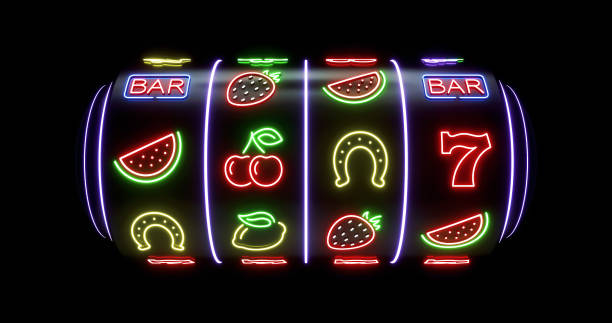
Casino games have captivated players for centuries, melding chance with psychology to create an experience that’s both thrilling and complex. The allure often stems from the thrill of winning and the prospect of instant gratification. Players are drawn to the colorful lights, the sounds of spinning wheels, and the excitement of potentially hitting a jackpot. This immersive environment preys on our innate desires for risk-taking and rewards, making it difficult for players to resist the temptation of engaging in these games, especially as the rise of sport betting continues to gain traction in various regions.

Moreover, casinos are ingeniously designed to maximize player retention through sensory stimulation. The layouts, sounds, and even scents are meticulously crafted to create a captivating atmosphere that encourages prolonged play. Understanding this psychological manipulation reveals how casinos maintain their edge and why players may find it challenging to walk away from a game, even after a significant loss.
The Role of Cognitive Biases
Cognitive biases significantly influence how players perceive and engage with casino games. One of the most prevalent biases is the illusion of control, where players believe they can influence the outcome of a game based on their skill or strategy, particularly in games like poker or blackjack. This belief can lead players to take risks they otherwise wouldn’t, as they are lulled into a false sense of confidence regarding their decision-making abilities.
Another key cognitive bias is the gambler’s fallacy, where players assume that past outcomes will affect future results, leading them to make flawed betting decisions. For instance, after a series of losses, a player might feel that a win is “due,” which can result in escalating bets in hopes of recouping losses. Understanding these biases is crucial for both players and casinos, as they illustrate how psychological factors can shape betting behavior and outcomes.
Player Strategies: Rational vs. Emotional Decisions
Player strategies in casino games often oscillate between rational and emotional decision-making. The rational approach involves setting budgets, understanding odds, and employing strategies to maximize winnings, such as card counting in blackjack. Players who adopt this mindset are often more successful in minimizing losses and extending their playtime.
On the other hand, emotional decisions can lead to impulsive betting and chasing losses. The excitement generated by a near win or the frustration from losing can cloud judgment, pushing players to make decisions driven by emotion rather than logic. The interplay between these two types of decision-making reveals the complexity of player strategies in casino settings, as emotions often overshadow rational thought in high-stakes environments.
Encouraging Responsible Gambling
Understanding the psychology behind casino games is essential for fostering responsible gambling practices. As players become more aware of cognitive biases and emotional triggers, they can make more informed choices about their gambling habits. This awareness can empower them to recognize when they are at risk of developing problematic behaviors, allowing for healthier engagement with casino games.
Casinos also play a crucial role in promoting responsible gambling by implementing measures such as self-exclusion programs and providing information on gambling addiction resources. Encouraging players to set limits and take breaks can help mitigate the psychological traps that often lead to excessive play. Ultimately, fostering an environment of awareness and responsibility is beneficial not only for players but also for the gaming industry as a whole.
Stay Informed with Expert Insights
Our website offers a wealth of information on the psychology of casino games and strategies for players looking to make informed decisions. With comprehensive articles and expert opinions, you can enhance your understanding of how psychological factors influence gambling behaviors. Whether you’re a casual player or a seasoned gambler, our resources are designed to help you navigate the complexities of the casino landscape.
Join us in exploring the fascinating relationship between psychology and gaming, and stay updated on the latest trends and strategies in the world of casinos. By equipping yourself with knowledge, you can enjoy a more rewarding and responsible gaming experience.